


Filter Water
OK, I'm mostly interested in portable water filters used in the outdoors to ensure safe drinking water, but there's a bunch of kinds of filters that people use in their homes too. I'll list descriptions of them below, but first let's discuss what a water filter is in general.
A Filter Is...
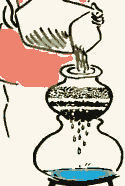 The purpose of a water filter is to screen out harmful stuff and mechanical filtration is currently the most common method of cleansing water.
Filters use a mechanical process meaning the particles are trapped in a very fine porous element and prevented from coming out the clean water end.
This is different from boiling and chemical treatment because those two methods do not remove particles, they just kill living critters in the water - you still ingest all the dead gunk.
Portable water filters are small, hand-held pumps that suck water in through a flexible tube dropped into the water source and then physically strain out solid material. It's usually pretty fast and easy to pump and filter fresh water, but as filters get clogged they may become difficult and then unusable. A filter should eventually clog - it means it is doing its job. When the filter starts getting difficult to pump, don't force it or you might be forcing creepy crawlies into your water bottle. Cleaning a filter or replacing an element is a required maintenance task so make sure you follow the manufacturer's instructions. Some filters are simple to clean by back-flushing while others require more effort to clean.
A good way to extend the life of a filter element is to only pump in relatively clean water. If you suck in brown, murky water, or silty water, its going to clog things up faster. A coffee filter rubberbanded over the intake tube can be a big help to pre-filter larger particles. Some filters have optional pre-filters that you can purchase.
Oh, one other thing you might be curious about - the difference between a water filter and a water purifier. They both remove protozoa and bacteria from raw water through mechanical filtration, but a purifier also kills or removes the smaller viruses. Viruses are killed with an electrostatic charge or chemical treatment, or removed by using an extremely small pore size.
Two Types
There are a bunch of types of filters for the outdoors, but the two you should consider are: membrane and depth filters.
- Membrane-style filters have sheets of a very fine membrane that allows water to pass through but no particles or critters that are bigger than the holes in the membrane. These are easy to clean and inexpensive, but some can clog quickly.
- Depth-style filters use a block of dense but porous material such as ceramic. The water is forced through the block which traps particles. Often depth filters have carbon elements to also remove some chemicals, heavy metals, and odors.
Filter Criteria
Pore Size: A filter will have a pore size rating in its advertising literature. A general rule of thumb is protozoa get removed above 1 micron, bacteria get removed above .1 micron, viruses get removed above .01 micron. The smaller the pore size, the more clean the water will be, but it may be more susceptible to clogging.
Pump Force: This gives an idea of how hard it is to push the filter's handle in and out. A smaller number means easier pumping.
Strokes per Liter: Tells how many times you need to pump to filter a liter of water. A smaller number means more water per pump.
Instructions: Make sure you can read and understand the instructions. A filter should be simple to use, clean, and repair or it will be a waste of money. If the grammar of the instructions is too poor to understand, I would pass on that product.
Cost: You can get an inexpensive unit for $10 or something extravagant for $500. There are great portable filters available for around $20 to $50 that do an excellent job of producing safe, clean water from lakes and rivers of North America.
Servicability: Some filters have elements you can clean a few times before replacing, others you just replace the canister, still others that never wear out. Pump filters have moving parts that can wear out or break. Make sure you have replacement parts and know how to disassemble and re-assemble your filter. If special tools are required or service is a convoluted process, look for a different filter. Products that include a service kit are a plus in my mind. Even better is a filter that requires no maintenance at all except simple cleaning.
Types of Water Filters
Carbon Water Filters
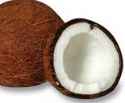 Carbon filters impurities as the water passes through. These filters were historically the most common form in use because they are economical, proven to work, and easy to maintain. They also filter out giardia and cryptosporidium which are a real pain. Some filters may offer additional bacterial protection through the enhancement of activated silver. Another benefit of carbon water filters is that essential minerals dissolved in water can pass through the filter. The filter medium usually comes from coconut husks. These have been the traditional portable filters, but there are now many other types and better technology.
Reverse Osmosis Water Filters
Reverse Osmosis water filters remove most concerns from tap water, but they are quite expensive and wasteful. They use a fine membrane to filter drinking water and discard waste water containing the removed contaminants. They are not practical as a portable device and are normally installed under-sink in homes.
Distiller Water Filters
Water distillers boil tap water to evaporate it. Impurities and contaminants are left in the boiling container and the purified vapor condenses into a clean storage container. Since boiling takes time and energy, distillers are not instant and they consume a lot of power - slow and expensive and not portable. They definitely do a good job of removing all the bad stuff from drinking water, but all dissolved minerals are also left behind so the resulting water is pure but unhealthy for the long term. Water without some minerals your body needs will not replenish your body's needs and may actually leach more of those minerals from your body.
Ionized Water Filters
Water is forced over positive and negative electrodes and becomes ionized, which then is separated into alkaline and acidic water. From a volume of water, 70% becomes alkaline water and 30% becomes acid water. The alkaline water has good anti-oxidant effects when used for drinking water and the acid water kills many bacteria when used as wash water in the shower. These devices consume power.
Ultraviolet Water Filters
UV light irradiates the water and kills everything in it. They are common in hotels abroad where local water has a serious disease risk to tourists. This type of filtration is gaining popularity as we see them in more everyday situations such as your office water cooler or some home systems. Some systems incorporate an hour counter so a new element can be replaced at a safe interval. These devices consume power.
