


Emergency Water Supply
Always Think Water
 In times of emergency, remember that drinking water is the most important thing to think about after immediate safety is secured.
Without an emergency drinking water supply, even outdoors dudes die in just a few days.
We take our water supply at home for granted and often are just lazy about what might happen someday. Sure, you may go your whole life with no tornado, hurricane, earthquake, flood, fire, volcano, snowstorm, or other disaster directly effecting you and your family - but its a gamble.
I've been through fire, snowstorm, flood, and volcanic ash fallout that all impacted my water and food sources. There have been over a dozen times when I would have died without a planned emergency food and water supply. And, hey, I'm not that old yet!
Quick Water
 There are 3 small, clean water sources in your home even if the water system is out of commission. Remember these:
- Hot water heater - get 30, 40, 50 gallons from the drain spigot at the bottom
- Water pipes - turn off the main water valve to your home. Open a faucet upstairs to let air in. Open a faucet in the basement or downstairs to collect the water standing in the pipes.
- Toilet reservoir - 2 gallons in the back of each toilet
- Ice cubes - retrieve them from your freezer and put in a pitcher before they melt
Stored Water
 For situations lasting more than 2 days, you need to be able to find and use a new water supply or have emergency water stored in containers that will keep it potable. A cache of 1 gallon per day per person is adequate. You should have enough water for a week - that's 28 gallons for 4 people. This water needs to be refreshed every few months.
Store water in food grade plastic or glass containers with tight fitting screw-on lids. 2-liter soda bottles work great, but plastic milk bottles will probably have animal fat and protein residue that would promote bacteria growth. Only use newly purchased food grade containers or containers that held food, never anything else because it may have contaminated the plastic.
What Water?
 Deciding to maintain an emergency water supply is a good decision. Choosing the right water to store is also important:
- Tap water from a municipal supply is usually fine for storage since the water is treated and regularly tested.
- Bottled water should be fine.
- Water from vending machines should be fine assuming the machine is kept clean.
- Private well water may not be free from microorganisms so it should not be stored - if you have your own well, you may be able to continue to pump water during most catastrophes anyway.
Treating Water
 Boiling water before storing it does not help with potential storage problems and only concentrates any impurities since some water evaporates.
Chlorine should be added to storage water to ensure nothing ruins it. Use unscented, plain, household chlorine bleach that contains 5.25% sodium hypochlorite. Add 8 drops with a clean medicine dropper to every 2-liter bottle or 16 drops in a gallon jug.
After mixing, put on the lids and label each bottle with the date.
Shelf Life
 Plastic degrades over time so protecting the container is the most important storage concern. Keep your water organized in a dark, cool, dry environment. The floor of a pantry or back room in the basement is good. Water weighs 8 lbs. per gallon so do not store it up high and make sure your shelves are sturdy.
Stored water should be replaced every 6 months, but if it lasts 6 months it'll be fine another 2 or 3 if you forget. Hey, it's a good idea to mark it on your calendar so you don't forget - every Christmas and 4th of July are good ways to remember. Try some of the water to see how it tastes - make it fun and have a toast to another half year of safety!
For longer storage of water, freezing some of your 2-liter bottles is a good idea if you have a large freezer with extra space. If electricity goes out, the extra mass will help keep food cold and you can still have cold water days later.
Helpful Hints
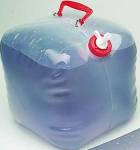 Keep one or two collapsible 2-gallon jugs handy for collecting water.
Have a plan on what to do when your water supply runs out. Have a water purifier handy or be prepared to boil or chemically treat an unclean water source. When your water supply is gone, you are now in a wilderness setting, collecting water from streams, lakes, snow, or wherever you find it.
Check that your neighbors are doing ok. Share your knowledge with them and work together.
If you are absolutely sure a neighbor's house is vacant during this catastrophe, consider breaking in to use their water and food if your family runs out. Be prepared to pay for damages, but survival is of highest importance.
For more emergency preparation information, visit the Emergency Dude web site.
